
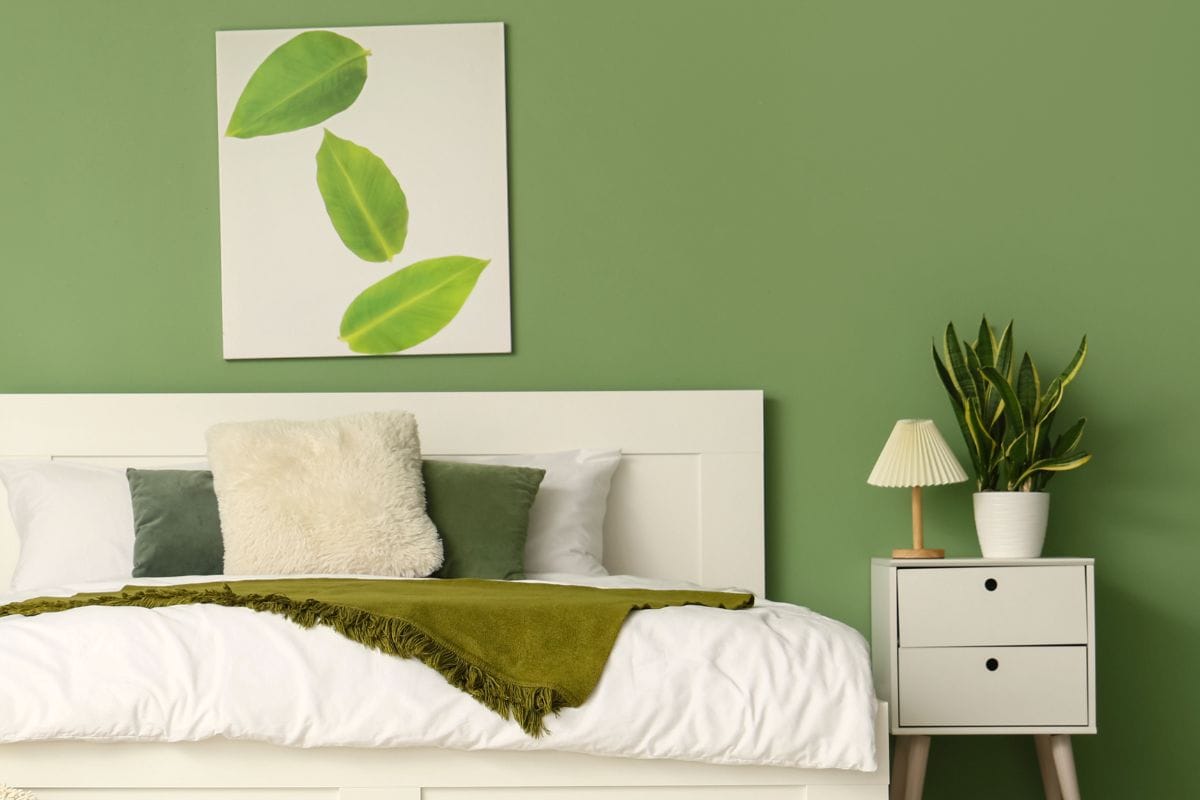
Finding the best plants for dark bedrooms can feel impossible, especially when most houseplants seem to require bright, indirect sunlight. The good news is there are plenty of indoor plants for dark spaces that will not only survive but many actually adapt and thrive in low-light conditions.
Whether you’re dealing with a dim bedroom, small windows, or no natural light at all, you can still create a relaxing, green space with the right plants. This guide covers the best plants for dark bedrooms, including low-maintenance options, large statement plants, and small plants for dark rooms that are even great for tight spaces.

What Counts as a Dark Bedroom?
A dark bedroom typically has very little natural light, relies on artificial lighting, or has north-facing or shaded windows causing dark areas. If you have dim rooms in your home that could use a houseplant, it can be hard to get the right plants.
Who wants to overpay for something they are just going to kill in a few days anyway?
While many plants struggle in dark rooms conditions, certain indoor plants like dark rooms, are well adapted to survive and some even thrive in them.
15 Best Plants for Dark Bedrooms
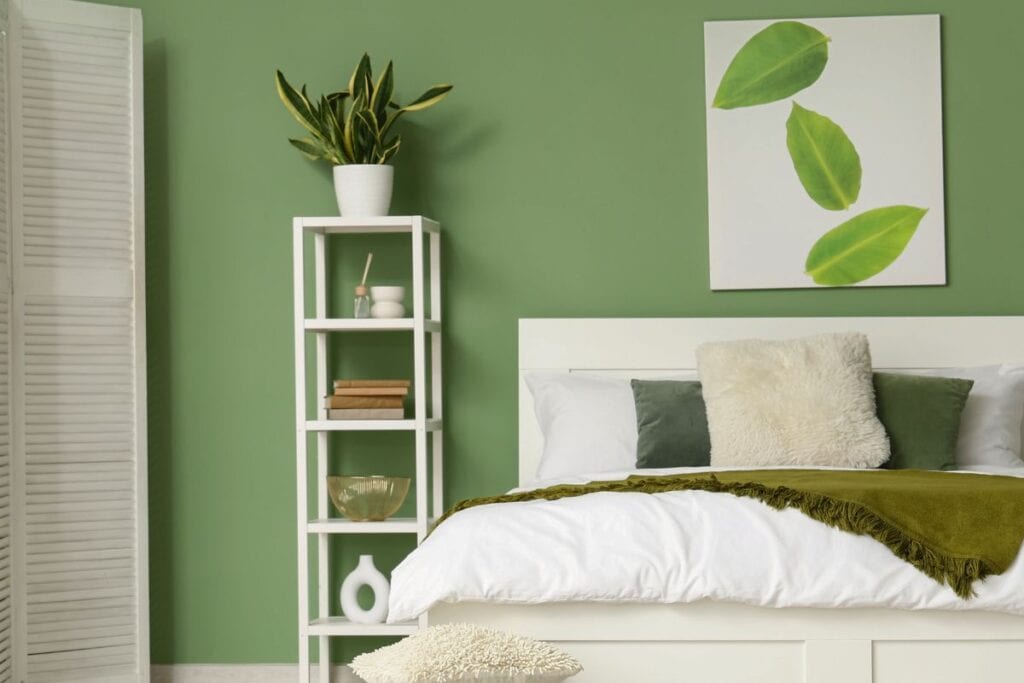
Snake Plant (Dracaena trifasciata)
Known as a ‘bedroom favorite,’ the Snake Plant is extremely low maintenance and can tolerate very dark rooms. It’s also known for its slow but steady growth rate and ability to handle neglect, making it perfect for beginners.
ZZ Plant (Zamioculcas zamiifolia)
This is one of the most reliable indoor plants for very dark rooms. It thrives in low light, requires minimal watering. The ZZ plant is truly one of the best low-maintenance plants for dark rooms.
Pothos (Epipremnum aureum)
A popular trailing plant that grows well in dim rooms and adapts easily to different lighting conditions. It’s one of the most common houseplants for dark spaces and it is a great beginner plant if you want low maintenance. Plus, this one is easy to propagate so you can keep multiplying your plants and filling those dimmer corners in your home.
Peace Lily (Spathiphyllum)
Peace lily is a beautiful option for those looking for flowering plants that thrive in dark rooms. It can tolerate low light and adds a calming touch to bedrooms. I have always loved this plant despite its association with death and funerals; it still brings me joy.
Cast Iron Plant (Aspidistra elatior)
As the name suggests, this plant is incredibly tough. It’s one of the best plants for very dark rooms and can handle neglect better than many plants.
Chinese Evergreen (Aglaonema)
This plant does well in indoor spaces with low light and is often recommended as one of the best plants for dark areas due to its adaptability.
Philodendron (Philodendron hederaceum)
A great option for those looking for plants that grow in dark rooms. It’s easy to care for and works well in hanging baskets or shelves.
Parlor Palm (Chamaedorea elegans)
One of the best large indoor plants for dark rooms, this plant adds height and a tropical feel without needing much light.
Dracaena (Dracaena fragrans)
A versatile plant that adapts well to indoor plants for dark places and requires minimal care.
Related Article: 15 Best Indoor Plants for Dark Rooms
Spider Plant (Chlorophytum comosum)
While it prefers brighter light, it can still survive in darker rooms and is a good option for beginners. But watch out for brown tips in low humidity, a common complaint for readers.
Lucky Bamboo (Dracaena sanderiana)
Lucky Bamboo is a great choice for dark spaces, especially since it can grow in water and doesn’t need direct sunlight. My mom once had a nasty case of fungus gnats on all of her other plants, yet her bamboo still thrived. I tried to get her to read my guide on How to Get Rid of Fungus Gnats on Houseplants, but I don’t think she ever did! All that to say: if she can keep her bamboo thriving, you can too.
Ferns (Nephrolepis exaltata)
Some varieties of ferns do well in dark indoor environments and add a soft, natural look to bedrooms. However, picking up those tiny fallen fronds from carpeting sounds like a test I don’t want to give my Dyson, so consider yourself warned!
Calathea (Calathea ornata)
Known for its decorative leaves, this plant prefers indirect light and works well in dim rooms.
Dieffenbachia (Dieffenbachia seguine)
A bold, leafy plant that can tolerate lower light and adds visual interest to dark spaces.
English Ivy (Hedera helix)
A trailing plant that adapts well to indoor plants for dark areas and looks great on shelves or hanging planters.

Quick Picks: Best Plants for Dark Bedrooms
- Best overall: Snake Plant
- Best for very dark rooms: ZZ Plant
- Best trailing plant: Pothos
- Best large plant: Parlor Palm
- Best low-maintenance option: Cast Iron Plant
Can Plants Survive in a Dark Bedroom?
Yes, but most plants for dark rooms still need some level of light. Indoor plants that like dark rooms are better described as low-light plants, not no-light plants. If your bedroom has no windows at all, consider rotating your plants into brighter areas occasionally or using a small grow light to keep them healthy.
Tips for Growing Plants in Dark Bedrooms
Choose low-maintenance plants for dark rooms that don’t require frequent care. Avoid overwatering, as plants in low light use less water. Clean leaves regularly so plants can absorb as much light as possible. If needed, learn how to adjust your soil conditions, since proper drainage and balanced soil can make a big difference in plant health.
FAQ: Plants for Dark Bedrooms
Want more plant guides and recipes from me? Sign up for the free newsletter and follow along on Pinterest.

As an avid gardener, dedicated homemaker, and culinary enthusiast, I bring a wealth of knowledge and passion to every aspect of homemaking, recipes, travel, and gardening. My journey is deeply rooted in a love for nature, food, and exploration, which I share through my engaging content.
With years of experience cultivating a vibrant garden and crafting delicious recipes, I specialize in creating farm-to-table homestyle dishes that highlight the freshest ingredients. My culinary creations are inspired by my extensive travels, allowing me to infuse a variety of flavors from my travels into my kitchen.
Through my blog, I aim to inspire others with practical gardening tips, mouth-watering recipes, and unique travel experiences. Whether you're looking for garden-to-plate cooking ideas, copycat recipes, or advice on homemaking, I provide a trusted source of information and inspiration.
Join me as I blend the joys of gardening, cooking, and travel into a harmonious lifestyle, offering readers a well-rounded perspective on how to bring these passions into their own homes.