
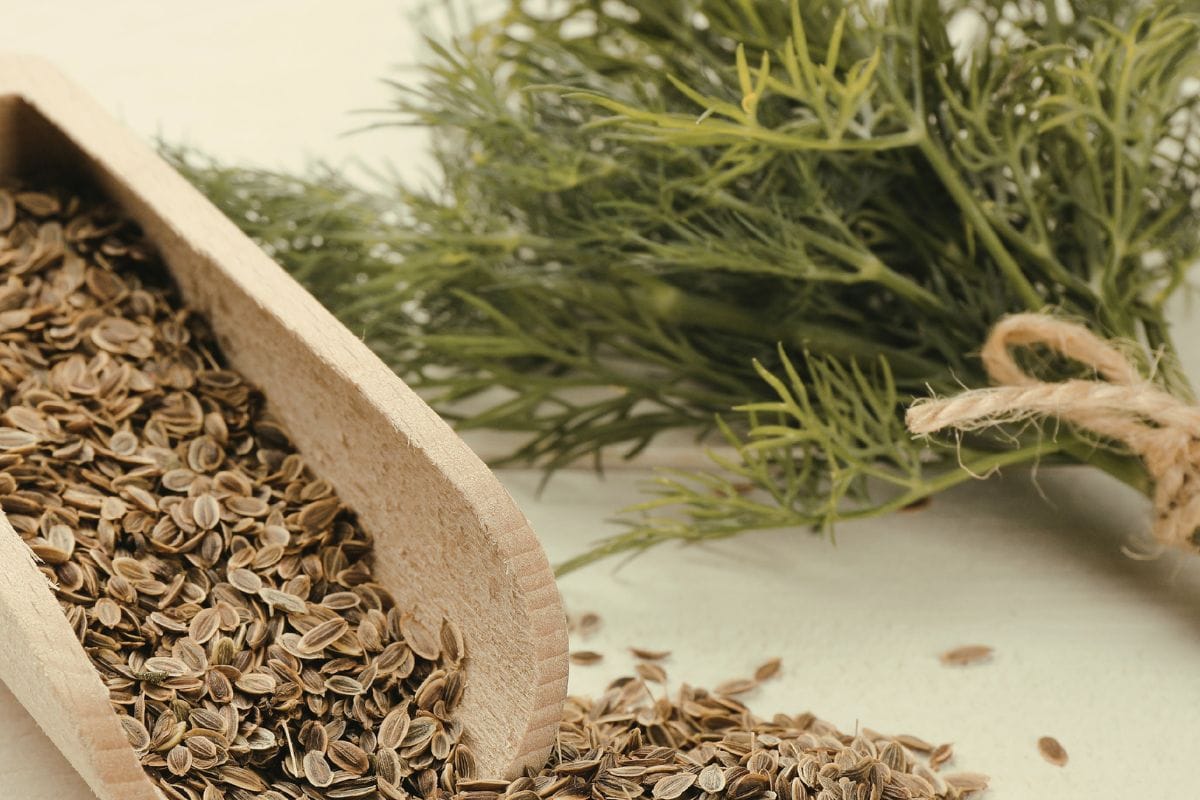
Dill is more than just a flavorful herb used in pickles and potato salad. The health benefits of dill may include antioxidants, digestive support, vitamins, minerals, and anti-inflammatory properties.
Whether you use fresh dill, dill weed, or dill seeds, this popular herb has been used in cooking and traditional wellness practices for generations.
The health benefits of dill go way beyond making your pickles taste good. This fragrant herb might be sitting quietly in your garden or spice rack, but it’s actually loaded with nutrients that can help with digestion, bone health, and even blood sugar.

And if you’re growing it at home, don’t miss my step-by-step tips on how to harvest dill without killing the plant and how to dry dill so you can use it all year long.
- What Is Dill?
- Health Benefits of Dill
- Is Dill Good For You?
- Dill Nutrition Facts
- Health Benefits of Dill Leaves
- Dill Seed Benefits
- Dill Tea Benefits
- Medicinal Uses for Dill
- What Is Dill Used For?
- Dill Weed vs Dill Seed vs Dill Leaves
- Benefits of Dill Pickles and Pickle Juice
- The Benefits of Dill Herb in Everyday Life
- How to Add Dill to Your Routine
- FAQ'S About The Health Benefits of Dill
- Final Thoughts on the Benefits of Dill
What Is Dill?
Dill (Anethum graveolens) is an herb in the celery family known for its fresh, citrusy flavor and feathery green leaves. You’ve probably used it in dishes like potato salad or homemade pickles, but there’s more to this herb than flavor. Both the dill weed (leaves and stems) and dill seed (actually a fruit) are edible and offer different health benefits.
Fun fact: Dill has been used in traditional medicine for thousands of years, especially in Ayurveda and ancient Egyptian practices.
Health Benefits of Dill
Let’s dive into the real reason you’re here, the health benefits of dill. Whether you’re using dill leaves, dill weed, dill seed, or even sipping dill pickle juice, this herb delivers impressive wellness perks.
1. Aids Digestion Naturally
One of the most well-known benefits of dill is how it supports digestion. Dill contains compounds like carvone and limonene, which help relax the digestive tract and reduce bloating or gas.
- Dill seed has been used traditionally to treat colic in babies.
- Dill pickle juice may ease an upset stomach and replenish electrolytes.
🧂 Tip: Chew a few dill seeds after meals or brew them into a tea for natural relief.
2. Rich in Antioxidants
Dill is loaded with plant compounds that act as antioxidants, helping to fight off free radicals in your body. These include:
- Flavonoids – which may support heart health
- Tannins – known for anti-inflammatory properties
- Terpenoids – which contribute to immune health
Whether you’re using dill leaves fresh or dried, you’re getting a dose of these protective compounds. Here’s how to dry dill so you always have some on hand.
3. May Help Lower Blood Sugar
Some early studies suggest that dill extract may help regulate blood sugar and support insulin function. While more research is needed, this is a promising area, especially for those looking for natural ways to maintain healthy levels.
🥄 Add chopped dill weed to your meals to sneak in some extra support throughout the day.
4. Supports Bone Health
Dill offers a small but helpful amount of calcium, magnesium, and phosphorus—three nutrients that support healthy bones and teeth. For a plant-based calcium boost, add dill leaves to soups, salads, or dips.
🥗 Try mixing fresh dill into a Greek yogurt dressing for an easy and nutritious topping.

Is Dill Good For You?
Dill is a flavorful herb that does more than add fresh taste to recipes. If you have ever wondered, “is dill good for you?” the answer may surprise you. Dill contains vitamins, antioxidants, and plant compounds that may support overall wellness while adding flavor to meals without adding many calories.
Fresh dill is naturally low in calories and contains nutrients like vitamin C, manganese, iron, and folate. It also contains antioxidants, which are compounds that help protect the body from oxidative stress caused by free radicals.
One of the best things about dill is how easy it is to use in healthy meals. Fresh dill can add bold flavor to foods without relying heavily on salt or processed seasonings. This makes it a popular herb for soups, salads, seafood dishes, dips, and homemade sauces.
Fresh dill and dried dill both offer benefits, although fresh dill typically has a brighter flavor and may retain more delicate nutrients. Dried dill is convenient for cooking and still provides many of the same aromatic compounds that make dill such a popular herb.
Whether you grow dill in your garden or buy it fresh from the store, adding dill to your meals is an easy way to enjoy more herbs in your diet.
Dill Nutrition Facts
Dill may be low in calories, but it contains several important nutrients. While dill is usually eaten in small amounts, it can still contribute vitamins and minerals to your meals.
Nutritional Value of Dill
| Nutrient | Amount in Fresh Dill (Approximate Per 1 Cup) |
|---|---|
| Calories | 4 |
| Vitamin C | 8% DV |
| Manganese | 5% DV |
| Iron | 3% DV |
| Folate | 4% DV |
| Calcium | 3% DV |
| Fiber | Small Amount |
| Antioxidants | Naturally Present |
Dill is often used fresh in recipes, but dried dill weed and dill seeds also contain beneficial plant compounds. Because dill is commonly paired with vegetables, seafood, yogurt-based dips, and healthy meals, it can be an easy addition to a balanced diet.
Health Benefits of Dill Leaves
The feathery green leaves of the dill plant are packed with flavor and contain naturally occurring plant compounds that may offer health benefits. Fresh dill leaves are rich in antioxidants and chlorophyll, which give the herb its bright green color.
Many people enjoy using dill leaves as a way to flavor food naturally without relying heavily on sodium filled seasonings. Adding fresh herbs like dill to meals can help boost flavor while keeping recipes fresh and light.
Some potential health benefits of dill leaves may include:
- Adding antioxidants to your diet
- Supporting healthy digestion
- Providing vitamins and minerals in low-calorie meals
- Enhancing flavor naturally without excessive salt
- Adding freshness to homemade recipes
Fresh dill leaves are commonly used in salads, dips, seafood dishes, potato recipes, dressings, and homemade pickles.
Dill Seed Benefits
Dill seeds have been used traditionally for generations in cooking and herbal practices. Compared to dill leaves, dill seeds have a stronger flavor and more concentrated aroma.
Some people use dill seeds in teas, spice blends, soups, breads, and pickling recipes. Dill seeds are commonly believed to support digestion and are often used in traditional herbal remedies.
Potential dill seed benefits may include:
- Traditionally used to support digestion
- Commonly used in herbal teas
- Strong aromatic flavor for cooking
- Used in pickling and spice blends
- May help add flavor without extra sodium
Dill seed tea is especially popular in some cultures as a warm herbal drink after meals.
Dill Tea Benefits
Dill tea is a soothing herbal drink made using fresh dill, dried dill, or dill seeds steeped in hot water. Many people enjoy dill tea for its warm flavor and calming qualities.
Dill tea has traditionally been used as a home remedy for digestion and bloating. While more research is needed, dill tea is commonly believed to help soothe the stomach after heavy meals.
Some possible dill tea benefits may include:
- Supporting digestion
- Helping reduce bloating
- Providing a warm and calming herbal drink
- Offering antioxidants from herbs and seeds
- Helping increase hydration

How to Make Dill Tea
To make simple dill tea at home:
- Bring 1 cup of water to a boil.
- Add 1 teaspoon of dill seeds or fresh dill.
- Let steep for 5–10 minutes.
- Strain and enjoy warm.
Some people like to add lemon or honey for extra flavor.
Medicinal Uses for Dill
Dill has a long history of traditional use in herbal practices around the world. For centuries, dill has commonly been used in cooking as well as traditional wellness routines.
In some cultures, dill was traditionally used to support digestion, freshen breath, and soothe the stomach after meals. Dill has also been used historically in Ayurvedic practices and herbal traditions because of its aromatic properties.
While dill is not a medicine, some people believe it may support wellness as part of a healthy diet. Dill is commonly believed to contain beneficial plant compounds and antioxidants that may support overall health.
Traditional medicinal uses for dill may include:
- Herbal teas
- Digestive support
- Aromatic wellness uses
- Culinary herbal remedies
- Traditional herbal preparations
It is always important to speak with a healthcare professional before using herbs medicinally, especially if you are pregnant, nursing, or taking medications.
What Is Dill Used For?
Dill is one of the most versatile herbs in the kitchen. Its fresh flavor works well in many savory recipes and can instantly brighten dishes.
Fresh dill leaves are commonly used in:
- Soups
- Seafood dishes
- Potato salad
- Pasta salad
- Homemade dips
- Salad dressings
- Herb butter
- Yogurt sauces
- Egg dishes
Dill seeds are often used in:
- Pickles
- Bread recipes
- Spice blends
- Tea
- Fermented foods
Dill pairs especially well with salmon, cucumbers, potatoes, lemon, yogurt, and creamy sauces. Whether used fresh or dried, dill adds bold flavor to recipes while keeping meals fresh and flavorful.
Dill Weed vs Dill Seed vs Dill Leaves
Let’s clear up the differences since they all offer unique benefits:
- Dill Weed: Refers to the soft green leaves and stems. It’s mild, fragrant, and perfect for fresh dishes.
- Dill Leaves: Often used interchangeably with dill weed, but may refer more specifically to just the leafy part.
- Dill Seed: The small oval “fruit” of the plant stronger in flavor and often used in spice blends or teas.
Dill Leaves Uses:
- Sprinkle over roasted veggies or baked fish
- Mix into egg salad or deviled eggs
- Blend into compound butter for grilled corn
🌿 Learn how to harvest dill without killing the plant to keep enjoying fresh leaves all season long.
Benefits of Dill Pickles and Pickle Juice
You may be surprised to learn that dill pickles (especially the fermented kind) and dill pickle juice come with their own set of health perks:
Health Benefits of Dill Pickles:
- Contain probiotics if naturally fermented, which help with gut health
- Vinegar + dill combo may help reduce blood sugar spikes
Benefits of Dill Pickle Juice:
- Hydrates with sodium and potassium, especially helpful after workouts
- May ease muscle cramps and support digestion
🥒 Just make sure to choose fermented pickles over ones made with vinegar only, if you’re looking for gut-friendly bacteria.
The Benefits of Dill Herb in Everyday Life
Here’s a quick list of why dill deserves a spot in your kitchen and medicine cabinet:
- May reduce inflammation
- Helps with gas and bloating
- Promotes restful sleep (especially dill seed tea)
- May have antimicrobial properties
- Adds flavor without added salt or sugar
How to Add Dill to Your Routine
- In the Kitchen: Add fresh or dried dill to dressings, marinades, roasted veggies, and creamy dips.
- For Wellness: Try dill tea made from seeds, or drink dill pickle juice for a quick electrolyte boost.
- In the Garden: Grow your own and preserve it! Check out how to dry dill and how to harvest it properly.
FAQ’S About The Health Benefits of Dill
Yes, dill does have natural healing properties. It contains antioxidants and essential oils that may reduce inflammation, protect against free radicals, and promote digestive health. Studies suggest that dill can support heart health by helping to lower LDL cholesterol and soothe stomach issues like indigestion or gas. It’s also a good source of vitamins A and C, calcium, iron, and magnesium all of which support your body’s natural healing processes.
While dill isn’t officially classified as a superfood, it earns the title in many kitchens. Fresh dill leaves and seeds offer antioxidants, vitamin C, and anti-inflammatory compounds. Dill extracts and teas are commonly used to help manage cholesterol, regulate blood sugar, and even reduce menstrual discomfort. Because it’s packed with beneficial nutrients and compounds in a low-calorie package, dill is a healthy addition to any diet.
Dill is generally safe to eat in moderate amounts, especially when used as a seasoning. However, eating large quantities of dill particularly in concentrated forms like extract or oil could cause mild digestive discomfort in some people. As with most herbs, balance is key. If you’re introducing dill for its health benefits, start with small amounts and see how your body responds.
Yes, dill has natural anti-inflammatory properties. Compounds found in dill, such as flavonoids and monoterpenes, may help reduce inflammation in the body. This makes dill useful for supporting overall immune function and may help alleviate minor aches or digestive discomfort. Adding fresh or dried dill to your meals is a flavorful way to get a gentle dose of anti-inflammatory support.
Most people can enjoy dill safely, but there are a few exceptions. Individuals who are allergic to plants in the carrot family—including celery, coriander, fennel, or caraway—should avoid dill, as it may trigger allergic reactions. Additionally, dill might lower blood sugar levels, so if you’re taking medications for diabetes or scheduled for surgery, consult your doctor before consuming large amounts or taking dill supplements.
Final Thoughts on the Benefits of Dill
Whether you’re working with dill weed, dill leaves, dill seed, or even sipping dill pickle juice, this herb brings far more to the table than just great taste. The health benefits of dill include better digestion, blood sugar support, antioxidant protection, and more.
Ready to embrace dill’s full potential? Be sure to check out this Amish Sweet Pickle Recipe and learn how to make the most of this powerhouse herb, whether fresh or preserved.
Want more garden guides and easy homestyle recipes? Sign up for the free newsletter and follow along on Pinterest, so you never miss another post again.

As an avid gardener, dedicated homemaker, and culinary enthusiast, I bring a wealth of knowledge and passion to every aspect of homemaking, recipes, travel, and gardening. My journey is deeply rooted in a love for nature, food, and exploration, which I share through my engaging content.
With years of experience cultivating a vibrant garden and crafting delicious recipes, I specialize in creating farm-to-table homestyle dishes that highlight the freshest ingredients. My culinary creations are inspired by my extensive travels, allowing me to infuse a variety of flavors from my travels into my kitchen.
Through my blog, I aim to inspire others with practical gardening tips, mouth-watering recipes, and unique travel experiences. Whether you're looking for garden-to-plate cooking ideas, copycat recipes, or advice on homemaking, I provide a trusted source of information and inspiration.
Join me as I blend the joys of gardening, cooking, and travel into a harmonious lifestyle, offering readers a well-rounded perspective on how to bring these passions into their own homes.